Carstensz Pyramid (4884 m / 16,024 ft)
West Papua, Indonesia

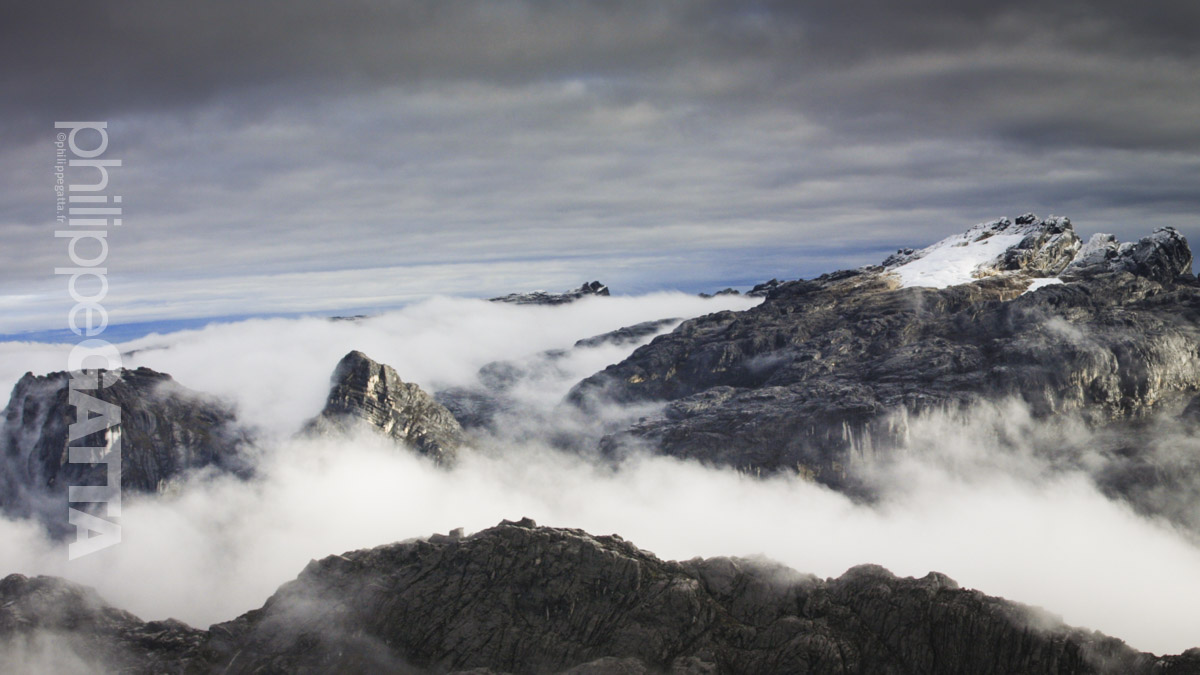
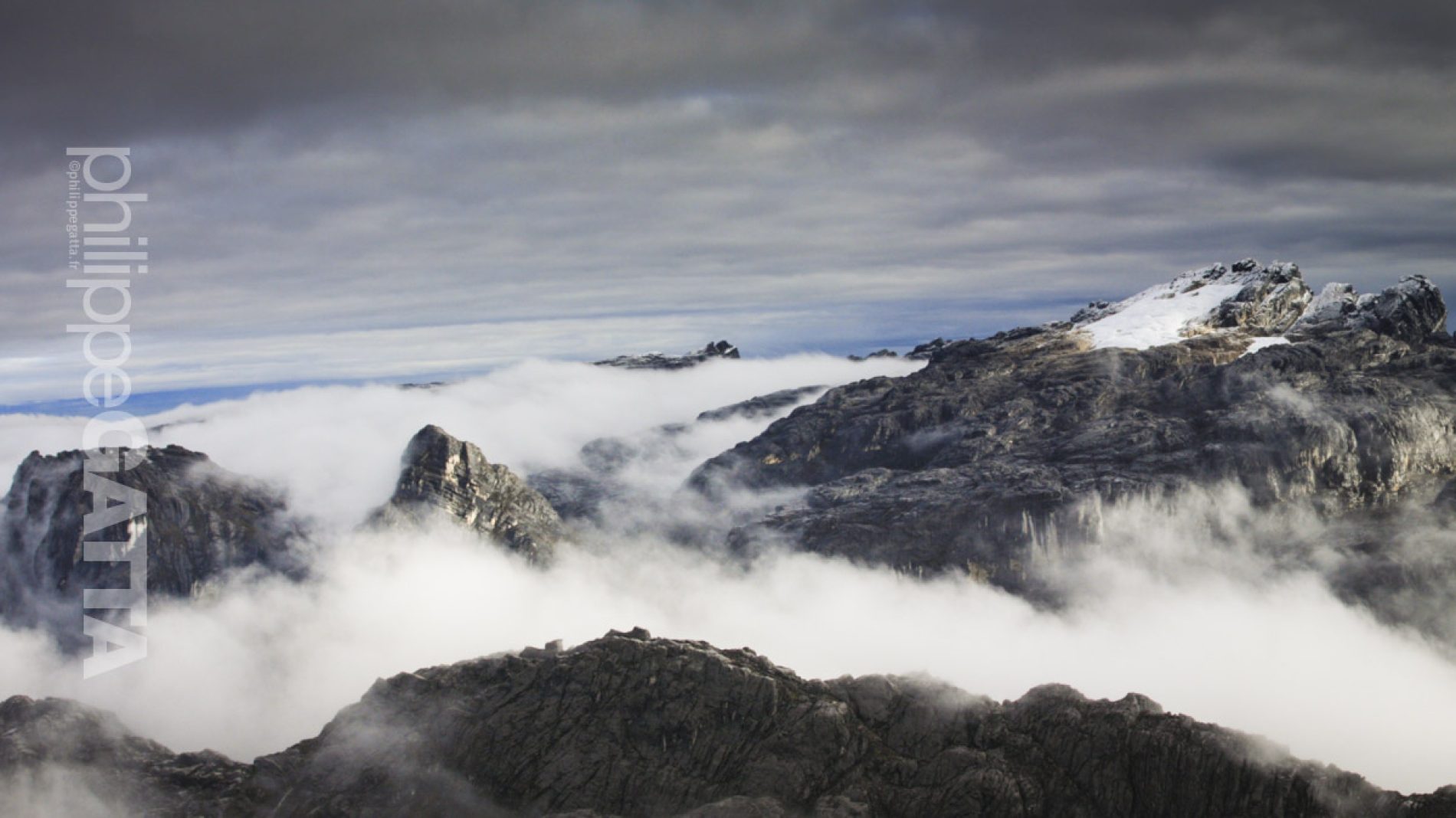
Carstensz Pyramid (© P. Gatta)
Carstensz Pyramid (Puncak Jaya), 4884m (16,024 ft)
Carstensz Pyramid, is the highest mountain in the Pacific Basin, and is considered the highest peak of the seventh continent (Australia/Oceania) for climbers attempting the Seven Summit. The peak is located in the Sudirman Range composing the western central highlands of Indonesia's Papua province (island of New Guinea). It is the highest point between the Himalayas and the Andes and the highest island peak in the world.Puncak Jaya is also called Carstensz Pyramid, after Dutch explorer Jan Carstensz who first sighted the glaciers on the peak of the mountain in 1623. The peak was first climbed in 1962 by Heinrich Harrer, Temple, Kippax and Huizenga.
Much of Sudirman Range is characterized by easy terrace, surmounted by severe rock walls. Carstensz Pyramid's North face is comprised of sheer 10,000 foot cliffs which embrace an extensive ice wall glacier.
The route on Carstensz Pyramid follows a series of gullies up the north face for 500m (1,640 ft) of solid rock before breaking out on the ridge. Riddled with notches, the summit ridge undulates for half a kilometer. The descent requires rappels and down climb most of the way. The rock is extremely good, rarely loose, and always provides good friction even in wet weather. The rock climbing difficulty on Carstensz is up to 5.10 for short steeps.
Temperatures can range from -3ºC to 15ºC (25-60º F) with occasional sunshine in the mornings, then rainfall or snow in the afternoons and evenings. Winds are variable but can be strong.

Carstensz and Oceania map (Courtesy NASA/JPL-Caltech)
Carstensz Pyramid Expedition
March 30: Base Camp - Carstensz Summit - Base Camp
We get up at 3am. There is a light rain and the temperature is around 5 ºC. I am dressed like I was at Vinson BC by -20 ºC the humidity here makes a big difference.We start at 4:30am. We climb 100m to a pass (on the left on the photo below) and go down to a small valley.
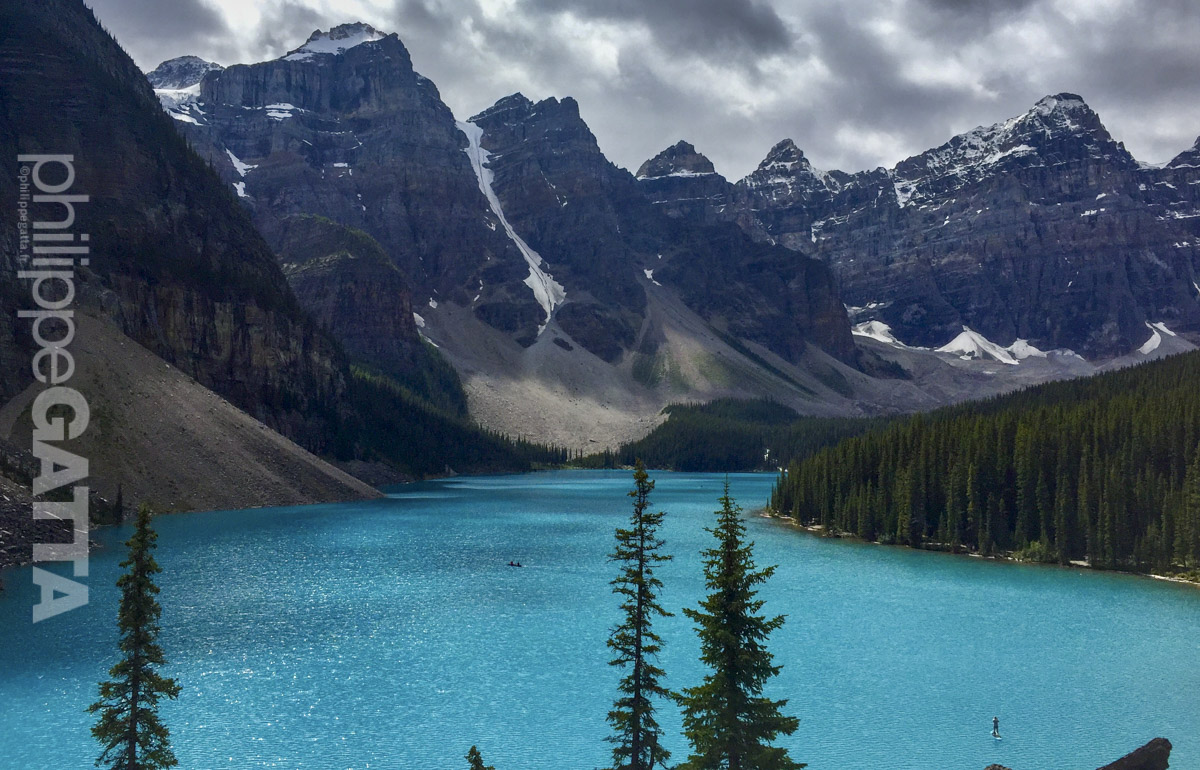
We pass a few lakes (see photo below) and reach the bottom of Carstensz's wall at 4350m, it is 5:30am.

Lake at Carstensz's base camp (© P. Gatta)

Trail from the first pass above BC to Carstensz's face (© P. Gatta)
On top of those slabs, there is again a steep scree for around 40m. The snow is covering the scree and it is a bit slippery. From that point on, we had 5 to 10cm of snow.
The clouds break and we can have a fantastic view over the Ngga Pulu (4862m), second highest summit of Oceania. From here we have a good view of the ridge and the Tyrolienne (see below).

Bottom of Carstensz's Face, the route is in the center (© P. Gatta)

Carstensz's summit ridge from 4600m. The Tyrolienne is visible (© P. Gatta)

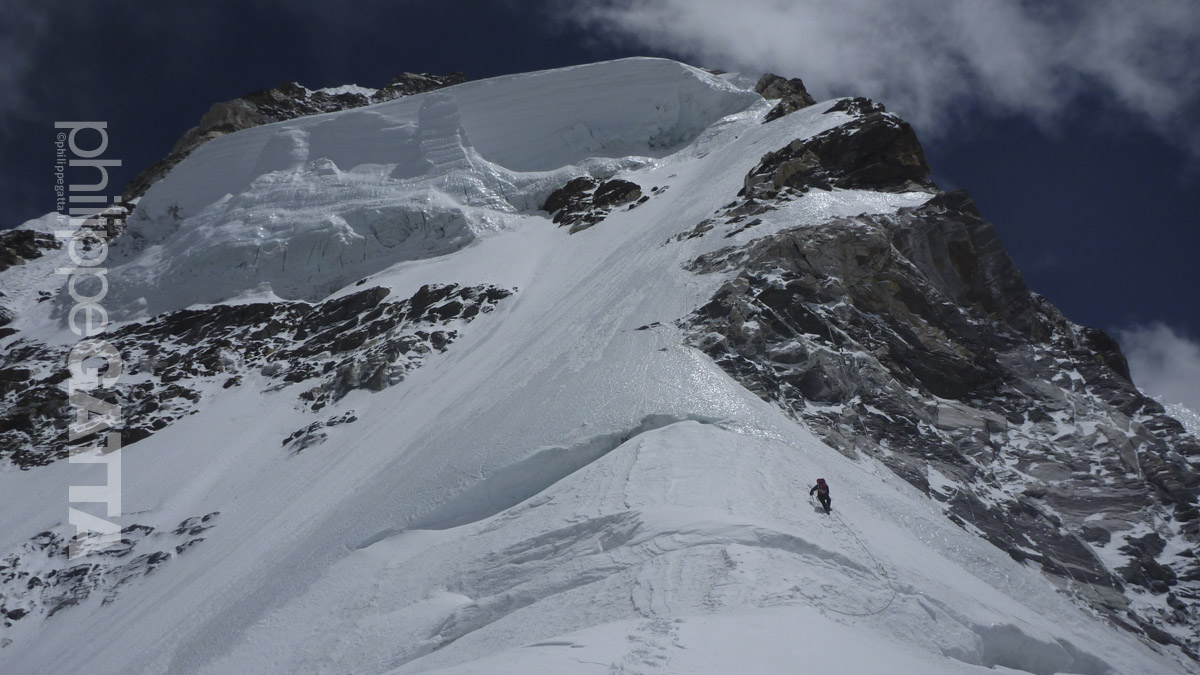
Philippe high up on Carstensz. Ngga Pulu behind (© P. Gatta)

Carstensz summit ridge and Ngga Pulu (© P. Gatta)
We quickly reach the Tyrolienne which is the fastest way to pass the gap. Otherwise, we could rappel 8m, cross 10m and climb 10m on the other side. All this section of the ridge is covered with snow or ice. There are 4 ropes for the Tyrolienne and each of them has 2cm of ice all the way. I spend at least 10 minutes to break the ice as I go.
The Tyrolienne is the longest crossing, but that is not the only one gap. There are two other gaps where we have to climb down then up along the ridge.
A final section on the South face leads to the summit that we reached in 3h from the bottom.
We are in the clouds and see anything, a Carstensz standard I guess. This is for me the last of the Seven Summits. The weather deteriorates as we start the descent.

Carstensz Pyramid's summit (© P. Gatta)
Ngga Pulu, 4862 m (15,951 ft)
Ngga Pulu (also called Ngga Poeloe) is the second highest peak of Oceania. It is just 22 meters lower than Puncak Jaya (Carstensz). We scaled Ngga Pulu the day after Carstensz. The climb starts from the same base camp and follow the valley toward the East. We reached the "chaos of big rocks" in 45 minutes, from there we turned left toward the ridge of Ngga Pulu.

Close to the summit ridge of Ngga Pulu (© P. Gatta)

Slabs and Ngga Pulu's glacier (© P. Gatta)
We reached the top in 2h from the base camp.

Summit of Ngga Pulu (© P. Gatta)